From Real Horror to City Hall Fears: The Ed Gein Case Explained! - discuss
Ed Gein was a reclusive Wisconsin farmer whose home became a site of unsettling discovery: jars of human bone powder, a barley-button “skull hat,” and apocalyptic sketches echoing biblical and occult imagery. Though never charged, these artifacts raised urgent questions about mental health, criminal intent, and the limits of vigilance. The subsequent investigation exposed how small-scale crimes, defined by psychological isolation and unexplained symbolism, can amplify broader societal fears. Rather than resolving the mystery, the case deepened anxieties about what lies beneath quiet normalcy—lurking in places far from headlines. How a singular act of violence in Cold War America set the stage for enduring national unease—from personal crime to collective dread



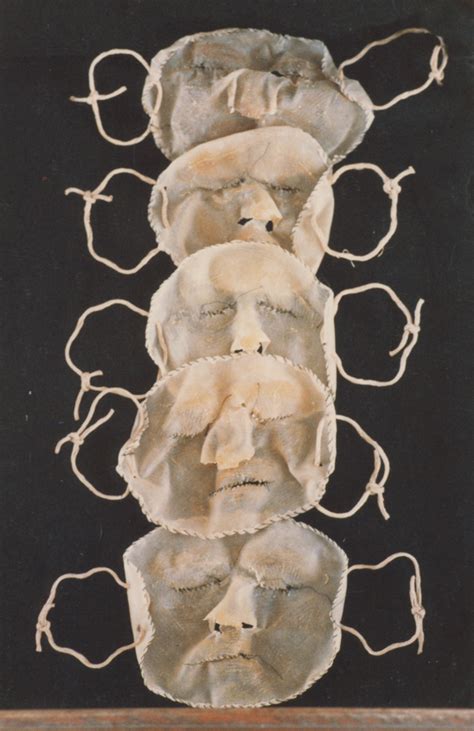

How From Real Horror to City Hall Fears: The Ed Gein Case Explained—Fact Through Fear
Recommended for you
True horror stories rarely stay buried. The 1957 disappearance and murder of Marymag Helen Gein—later linked to gruesome acts involving preserved body parts and macabre trinkets—ignited a media frenzy that exposed fears beyond a single crime. At a time when Cold War paranoia blended with emerging southern tales of ritual violence, Gein’s unsolved crimes blurred the line between personal pathology and public panic. Today, both historical record and cultural memory keep this case relevant. It resonates not just as a crime story, but as a mirror to rising distrust in authority, where ordinary citizens began questioning government transparency and media responsibility—foreshadowing today’s skepticism in the digital age. From Real Horror to City Hall Fears: The Ed Gein Case Explained
Public response combined morbid fascination with cautious scrutiny. The media framed Gein not just
Why From Real Horror to City Hall Fears: The Ed Gein Case Explained! Is Gaining Ground Online
🔗 Related Articles You Might Like:
JFK Car Rental Secrets: Fuel Your Adventure with Affordable, Reliable Drives! Affordable Flight Adventures: Best Oxnard Airport Car Rentals That Save You Money! The Ultimate Guide to Cheap Rentals in MC: Score Top Deals Instantly!📸 Image Gallery
You may also like
